
Kookaburra Yoga
Kookaburra Yoga is the home of 'The Hatha Yoga Method' which is a uniquely integrated system of Hatha and Raja Yoga, Tantra and Ayurveda. HYM is based on centre founders and directors Mandy BeckerKnox and Robert Becker's years of immersion in the spiritual traditions of yoga and decades of learning, teaching and sharing. Yoga at Kookaburra Creek is uniquely holistic and spiritual - restoring balance & harmony to the body, mind and soul. All of our classes, retreats, programs and trainings are respectful of the yogic lineages, while not bound by tradition or dogma. Yoga is ultimately, a personal inner journey of discovery, self-knowledge and mastery.
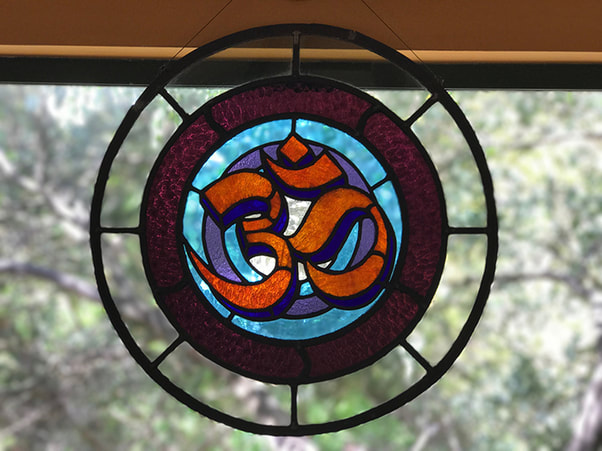
"Salutation to Siva, who expounded the knowledge of Hatha Yoga,which like a staircase leads the aspirant to the high pinnacled Raja Yoga" Svatmarama, Hatha Yoga Pradipika (composed 15-16th century) |
|
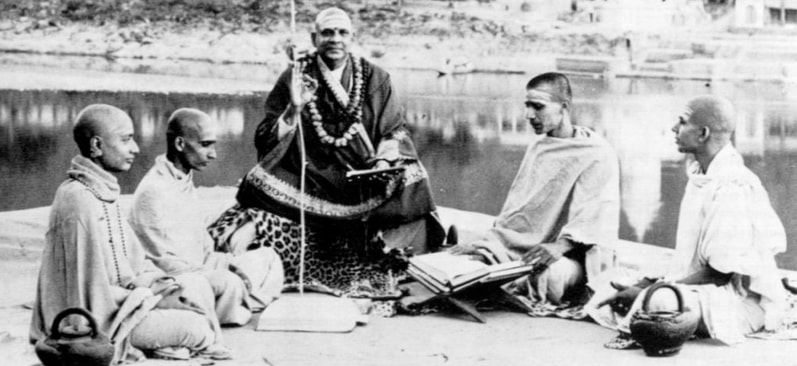
Traditional teachings, modern approach
Kookaburra Yoga's integrated system of Hatha and Raja Yoga is called 'the Hatha Yoga Method (HYM)', and is holistic and comprehensive to ensure every class and program taught by our teachers, here at Kookaburra Creek and around the world, is beneficial on every level of being.
The Hatha Yoga Method honours the traditional teachings and philosophies which modern yoga is based upon, along with an intelligent, adaptive and personalised approach so the yoga we share is relevant, accessible and safe for all levels of practitioners.
Hatha Yoga classes are often the starting point for many people who may eventually enquire into the more meaningful and spiritual paths of yoga. We offer opportunities which range from beginners classes to immersive retreats and a year long teacher training program.
The five key areas of practice included in all classes, courses and programs integrate with the 8 ‘limbs’ of yoga as articulated by Sage Patanjali in the Yoga Sutras.
These include mindful, intelligent movement [asana], supportive breathwork [pranayama], relaxation [pratyahara], meditation [dharana, dhyana], and yogic diet, lifestyle and ethics [yama, niyama] - all of which are linked and made meaningful through mindfulness [bhava].
In this system, the asanas we share in our classes are of 4 types which align with and bring into focus the values and characteristics of the four paths of Traditional Yoga. The 4 types of practices you can expect to experience can be characterised by:
Our approach to yoga enhances and brings in to balance our inner nature, and deepens our connection and sense of place in the natural world. We care deeply for the wellbeing, peace and harmony of the planet, of the plants, animals, people and all of the beings we share this world with. We seek to cultivate and share these values of care, kindness and harmony through all of our offerings at Kookaburra Creek.
The Hatha Yoga Method honours the traditional teachings and philosophies which modern yoga is based upon, along with an intelligent, adaptive and personalised approach so the yoga we share is relevant, accessible and safe for all levels of practitioners.
Hatha Yoga classes are often the starting point for many people who may eventually enquire into the more meaningful and spiritual paths of yoga. We offer opportunities which range from beginners classes to immersive retreats and a year long teacher training program.
The five key areas of practice included in all classes, courses and programs integrate with the 8 ‘limbs’ of yoga as articulated by Sage Patanjali in the Yoga Sutras.
These include mindful, intelligent movement [asana], supportive breathwork [pranayama], relaxation [pratyahara], meditation [dharana, dhyana], and yogic diet, lifestyle and ethics [yama, niyama] - all of which are linked and made meaningful through mindfulness [bhava].
In this system, the asanas we share in our classes are of 4 types which align with and bring into focus the values and characteristics of the four paths of Traditional Yoga. The 4 types of practices you can expect to experience can be characterised by:
- those which bring inner quiet
- those which bring focus and body awareness
- those which bring humility and detachment
- those which increase confidence and vitality.
Our approach to yoga enhances and brings in to balance our inner nature, and deepens our connection and sense of place in the natural world. We care deeply for the wellbeing, peace and harmony of the planet, of the plants, animals, people and all of the beings we share this world with. We seek to cultivate and share these values of care, kindness and harmony through all of our offerings at Kookaburra Creek.
|
|
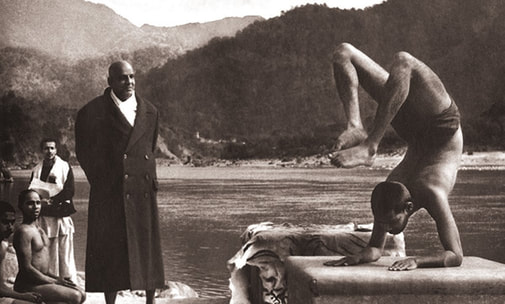
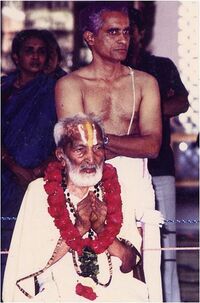
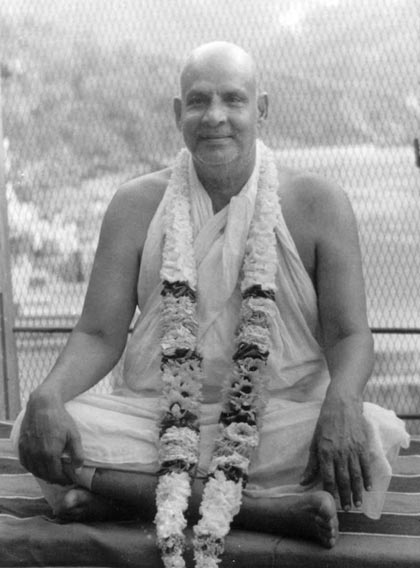
inspired by the modern master Sivananda Saraswati of northern India and Tirumalai Krishnamacharya of southern India, both of whom have had a profound influence on modern yoga.
|
The 4 Paths of Traditional Yoga
Traditional Yoga is a holistic system for the body, mind and soul comprised of four paths which, when integrated, bring balance and harmony to our intellect, heart, body and mind - leading us towards a deep experience of our true, blissful, divine nature. There are five yogic paths each of which lead us toward the same goal of unity:
The contemporary class
Yoga has evolved to be relevant to a discerning and contemporary audience. Whereas in the past the focus of yoga was transcendence of the limitations of the body and mind for spiritual aspirations, the goal of the modern yoga practitioner is generally more therapeutic - to be well, to be happy, to be healthy, to be at peace. And for others the goal may be aesthetic - to be beautiful, to be slim and supple, to be strong, to achieve perfection in the practice. 'Styles' of yoga have evolved to suit the different goals, aspirations of practitioners. Regardless of the style of yoga shared or the aspirations of the practitioners, yoga is deeply enriching and a means of finding wellbeing, steadiness, and happiness. All of our teachers are graduates of the comprehensive and indepth Hatha Yoga Method Teacher Training program with a sincere and dedicated personal practice. They bring their skills, kindness and care to offer a variety of styles of yoga at Kookaburra Creek to ensure there are classes suitable for everyone! |
|